Expert Protective Glazing Specifications for Stained Glass Windows
Custom Specifications for Every Need
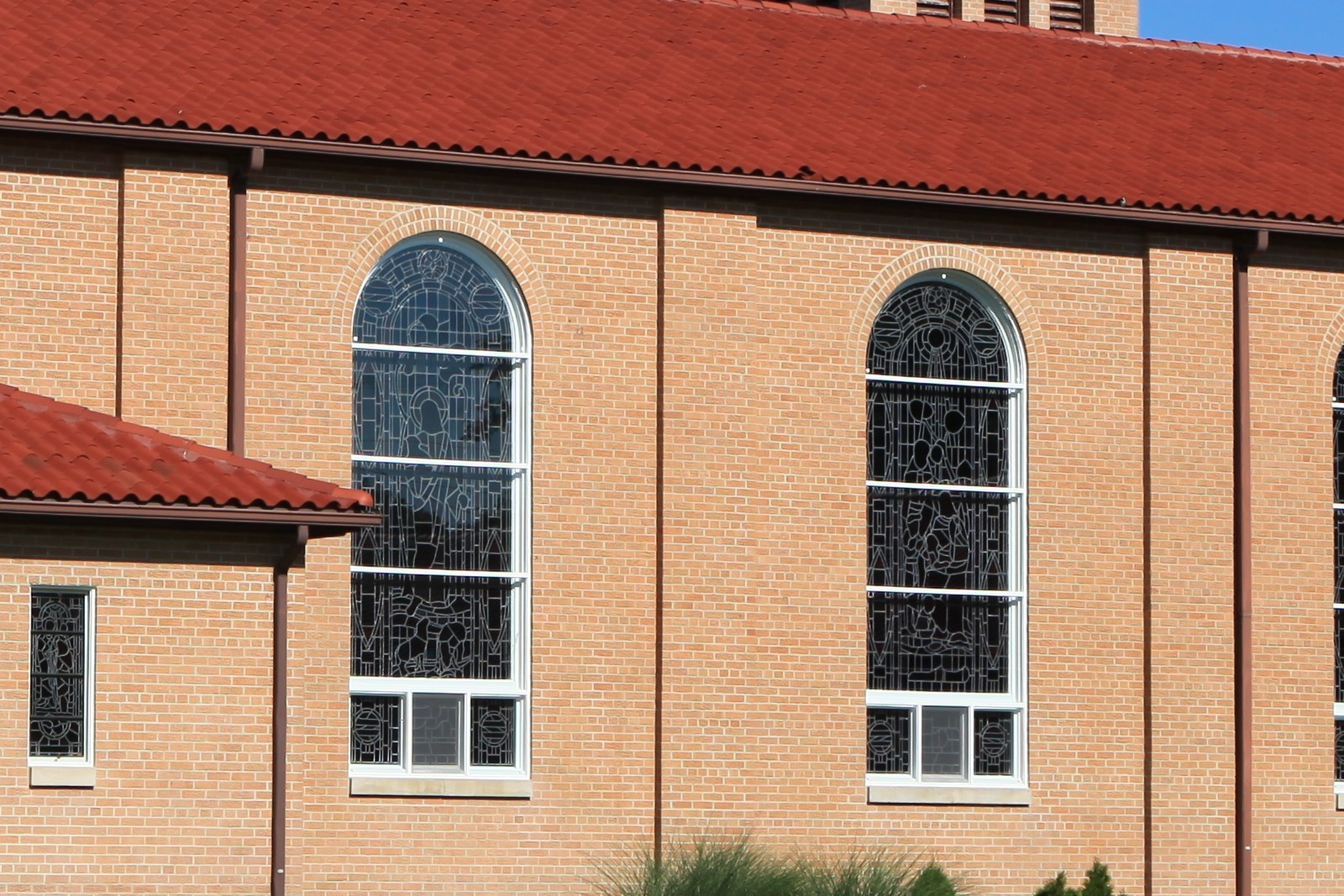
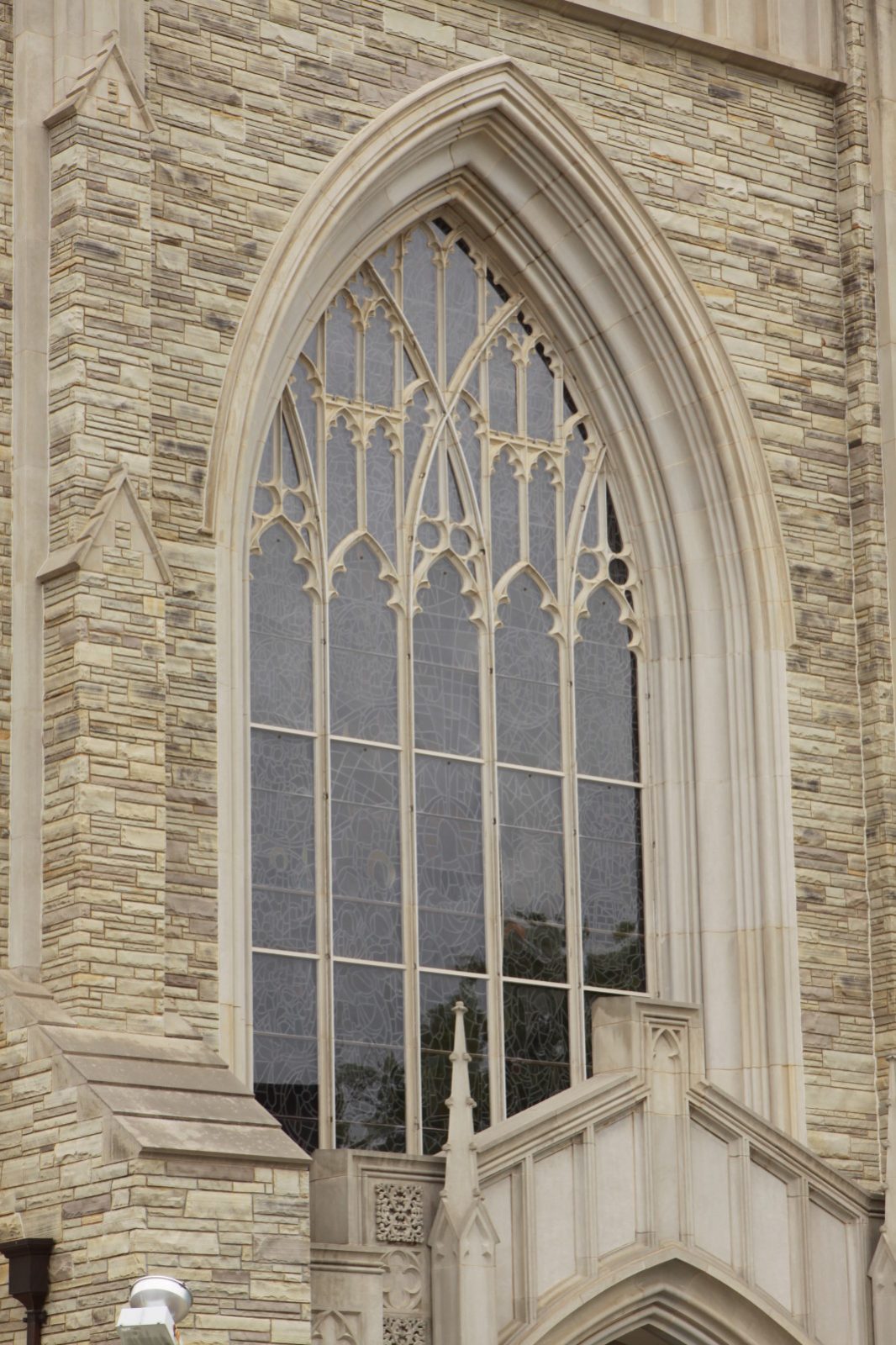
Tailored Installation: We specify inset, outset, channel set, or architecturally framed protective glazing systems, each chosen to complement your stained glass.
Optimal Materials: We select glass, acrylic, polycarbonate, or even hurricane impact-resistant glazing systems, ensuring clarity, longevity, and the appropriate venting to prevent condensation.
Precise Details: From extrusion profiles to sealants specifically chosen for each material, we ensure every component meets conservation standards.
Why Protective Glazing Matters
Partner with Industry Experts
FAQs
Protective glazing shields stained glass from environmental damage like wind, rain, and debris, while also preventing vandalism or accidental impacts. It reduces the need for frequent repairs and extends the window’s lifespan.
Common materials include acrylic, polycarbonate, and laminated glass. Each material has different strengths: acrylic is lightweight, polycarbonate is impact-resistant, and glass offers superior clarity and longevity.
When properly designed, protective systems minimize visual impact. Options like low-iron or museum-grade glass offer excellent clarity, ensuring your stained glass remains visible and aesthetically pleasing.
Not if designed correctly. Modern systems incorporate ventilation methods—such as pressure or convection venting—to prevent moisture buildup between the stained glass and the outer protective layer.
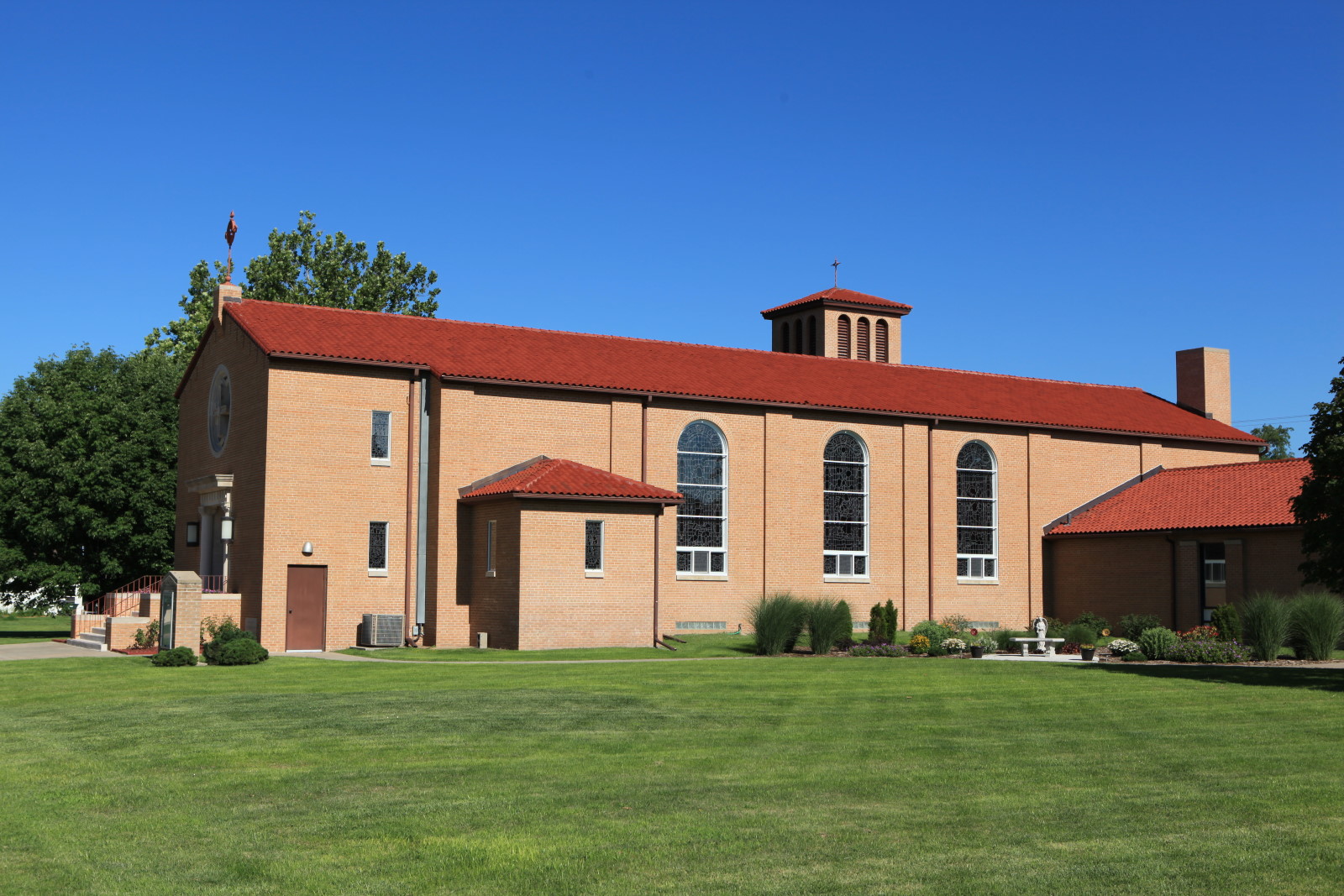
Absolutely. We design systems tailored to each window’s needs—whether it’s a historic church or a modern structure. We consider aesthetics, structural requirements, and long-term protection.